Compressed Air Leak Detection Services
Find Hidden Leaks. Reduce Wasted Compressed Air.
Compressed air leaks can increase energy costs, reduce system efficiency and put unnecessary demand on your equipment. ReapAir’s leak detection services help identify and locate compressed air leaks so you can understand where air is being lost and take action.
Why Compressed Air Leak Detection Matters
Every compressed air leak is air your system worked to produce but your facility never gets to use. As leaks add up, they can increase system demand, waste energy, and leave less available compressed air for the equipment and processes that need it.
Finding and addressing those leaks can help your facility:
Reduce compressed air waste
Identify opportunities to lower energy costs
Reduce unnecessary demand on your compressors
Keep more compressed air available for production
Give maintenance teams clear repair priorities
Track leaks over time with documented survey results
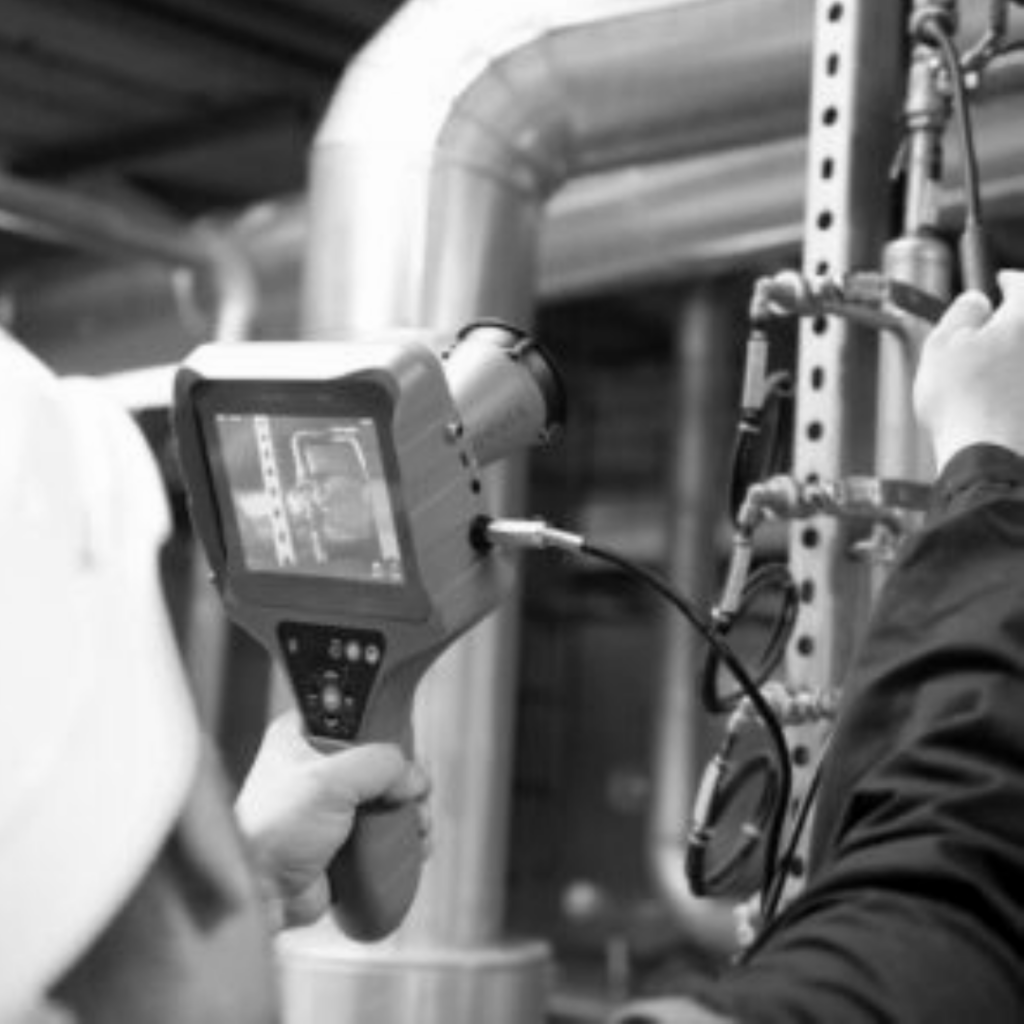
See the True Cost of Compressed Air Leaks
Compressed air leaks can quietly increase operating costs by forcing your system to produce air that never reaches its intended point of use. As leaks accumulate, they can also reduce available system capacity and make it harder to maintain consistent pressure.
Regular leak detection helps identify these losses so your team can prioritize repairs, reduce unnecessary compressor demand and improve overall system efficiency.
Estimated Annual Cost of Compressed Air Leaks
Leak Size | 1 work shift (2250 h) | 2 work shifts (4250 h) | 3 work shifts (8400 h) |
|---|---|---|---|
1/16“
| 200 $ | 380 $ | 750 $ |
1/4“ | 3210 $ | 6070 $ | 11 990 $ |
3/8“ | 7230 $ | 13 650 $ | 26 980 $ |
1/2“ | 12 820 $ | 24 210 $ | 47 850 $ |
* Annual cost of compressed air leaks based on electricity cost of 0,10 $/kWh
(with Compressed Air Challenge’s permission) | |||
ReapAir's Leak Detection Report
ReapAir provides detailed findings to help your team understand where compressed air is being lost, what that loss may be costing your facility, and where corrective action can make an impact. A detailed report is provided within 10 days following the audit.
This report includes:
Precise Leak Locations
Pinpoint where compressed air leaks were identified throughout your facility.
Estimated Air Loss
Understand the estimated compressed air flow associated with identified leaks.
Associated Costs
See the estimated operating costs connected to wasted compressed air.
Return on Investment
Evaluate the potential financial benefit of addressing identified leaks.
Find Out Where Your Compressed Air Is Being Wasted
You shouldn’t have to guess whether compressed air leaks are contributing to higher operating costs or unnecessary system demand.
Reapair can locate and document leaks throughout your compressed air system and give your team the information needed to prioritize repairs and take action.
Frequently Asked Questions
How much can compressed air leaks cost my facility?
The cost of compressed air leaks depends on factors such as leak size, system pressure and operating hours. Even small leaks can add up over time, increasing energy consumption and unnecessary operating costs.
What do I receive after a ReapAir leak detection audit?
ReapAir provides detailed findings within 10 days following the audit, including precise leak locations, estimated air leak flow, associated costs and return-on-investment information to help your team prioritize corrective action.
Where are compressed air leaks commonly found?
Compressed air leaks can develop throughout a system, including piping connections, fittings, couplings, hoses, valves and other components. A leak detection audit helps identify problem areas that may otherwise go unnoticed.